How to Pick Bright Activewear Colors for Your Actual Skin Undertone

Quick Answer: Cool undertones generally look best in true reds, cobalt blue, and fuchsia, while warm undertones tend to suit coral, orange-red, and warm yellow-greens better. The quickest way to check your undertone is looking at your wrist veins in natural light — blue-purple veins suggest cool, green veins suggest warm.
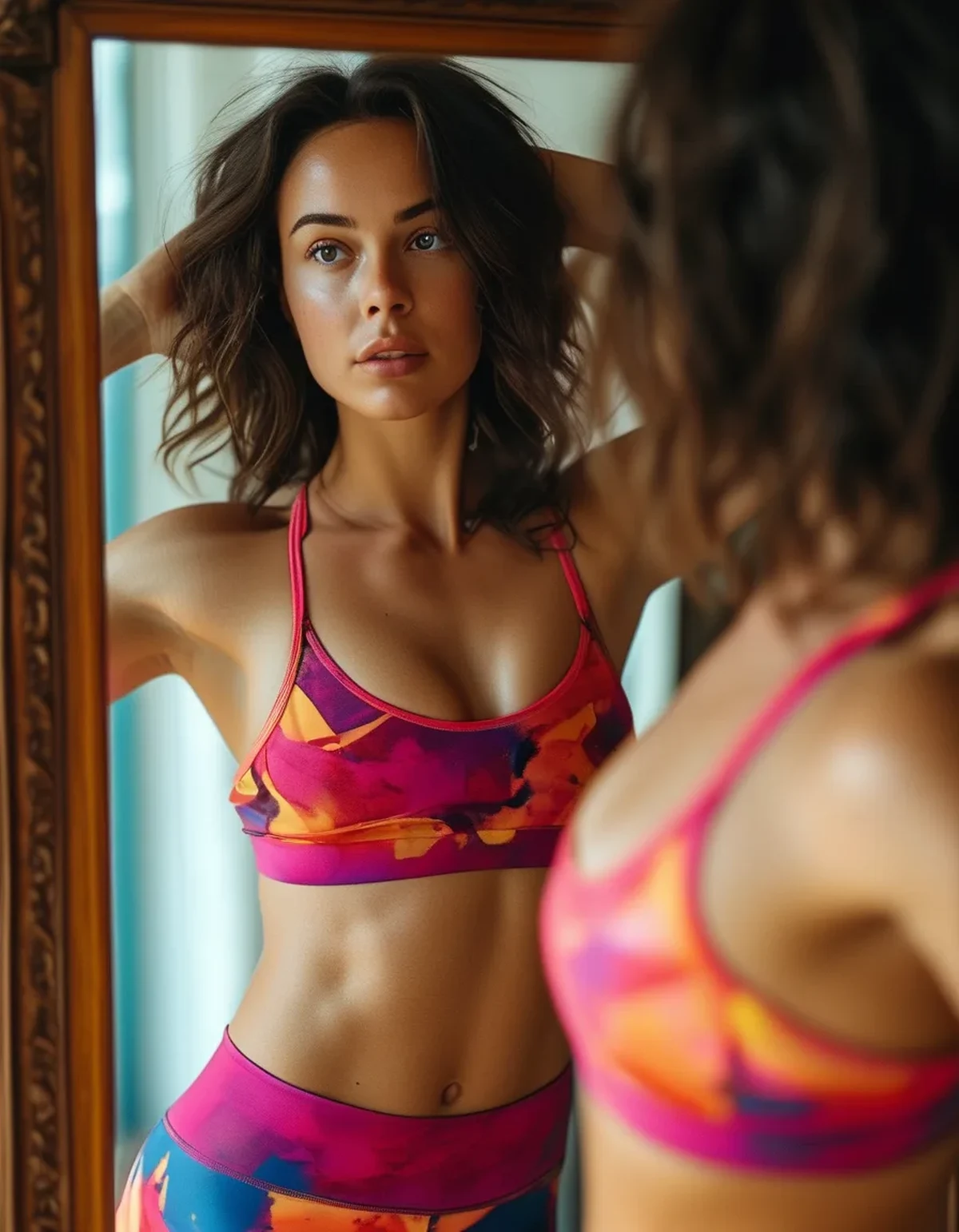
Bright activewear either looks vibrant and intentional or slightly washed out and off — and the difference usually comes down to matching the color’s undertone to your own, not the brightness level itself.
How do I actually figure out my undertone?
The wrist vein test in natural daylight is the simplest starting point: veins that look distinctly blue or purple suggest a cool undertone, while veins that look more green suggest warm — though some people have a genuinely neutral mix, which opens up a wider color range. Jewelry preference is a secondary clue: if silver consistently looks better against your skin than gold, that often lines up with a cooler undertone, and vice versa.
Which bright colors work best for cool undertones?
True red, cobalt or royal blue, fuchsia, and true (blue-based) purple tend to look most vibrant against cool undertones, because these colors share the same blue-based quality as the skin’s own undertone. Warm, orange-leaning brights (coral, warm orange) can look slightly duller or make cool-undertone skin look more sallow by contrast.
Which bright colors work best for warm undertones?
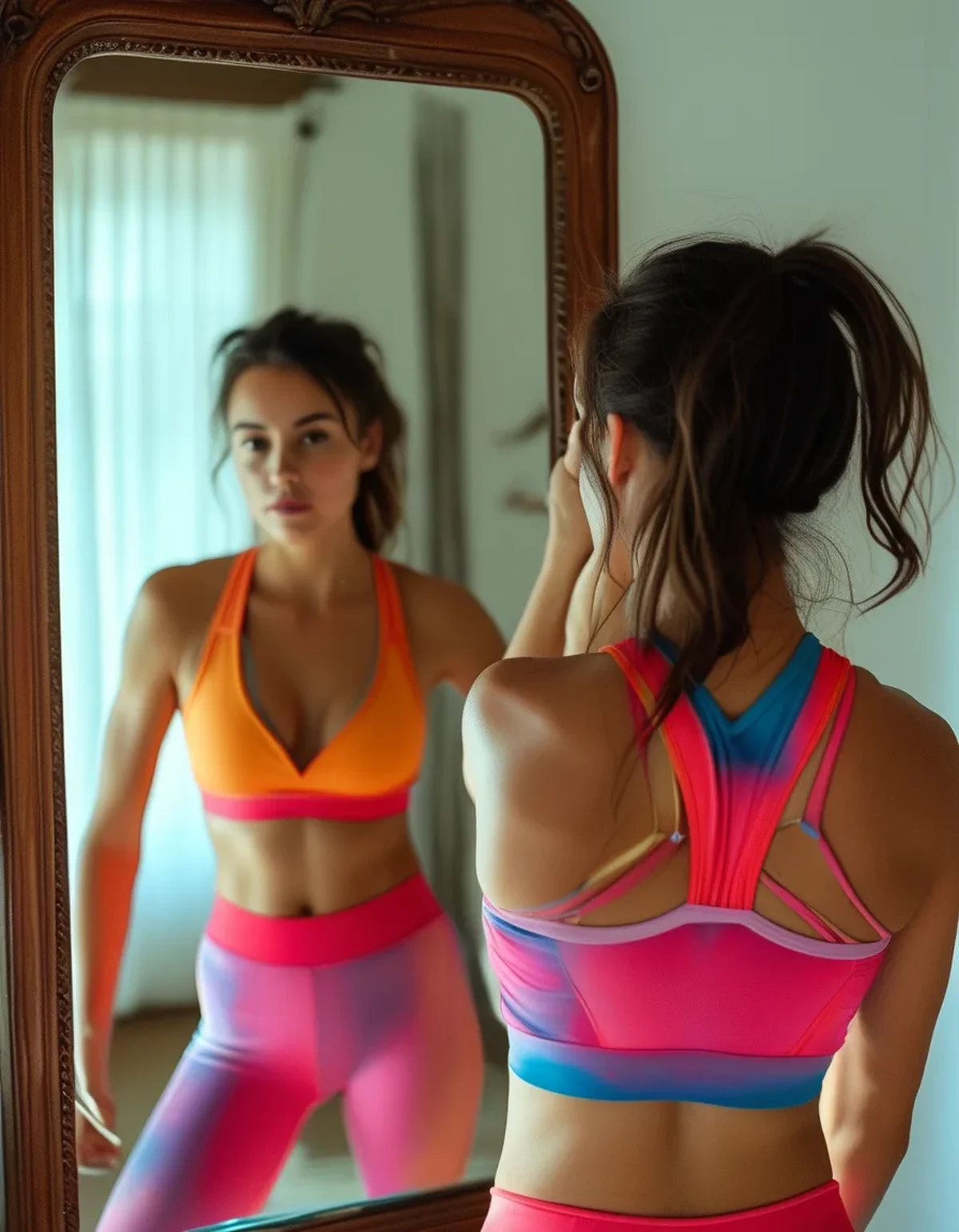
Coral, orange-red, warm yellow-green, and golden yellow tend to look most flattering against warm undertones, echoing the same golden or peachy quality already in the skin. Very blue-based brights (icy blue, blue-purple) can sometimes look slightly harsh against warm undertones by contrast, though this varies more by individual than the cool-undertone rule does.
What if I have a neutral undertone?
Neutral undertones genuinely have more flexibility across both warm and cool bright colors, since there isn’t a strong undertone to clash against. The main guidance for neutral undertones is simply picking brights in shades that photograph and feel good individually, rather than following a strict warm-or-cool rule that doesn’t clearly apply.
FAQ: Bright Activewear and Skin Tone Questions, Answered
Does hair color affect which bright colors work best, separate from skin undertone?
Yes, to a degree — hair color can shift which specific shade within a color family looks most flattering, though skin undertone remains the primary factor.
Can I still wear a color that doesn’t match my undertone if I love it?
Absolutely — undertone matching is a flattery guideline, not a rule, and personal preference and confidence matter more than a strict color-matching formula.
Does this undertone guidance apply the same way to all bright colors, including neons?
Generally yes, though neons are intense enough that the undertone effect can be slightly less noticeable than with more muted bright shades.
TL;DR:
- A wrist vein check in natural light is a quick, simple way to identify cool vs warm undertone
- Cool undertones tend to suit true red, cobalt blue, and fuchsia best
- Warm undertones tend to suit coral, orange-red, and golden yellow best
- Neutral undertones have more flexibility across both color families
Try the wrist vein test before your next activewear purchase — it takes 10 seconds and can save you from a bright color that just doesn’t land right.
Keep Reading
This article is for general informational and styling purposes only. Fit, sizing, and product availability may vary.