3 Mistakes People Make When Wearing Bright Colors in Activewear

Quick Answer: The most common bright-color mistakes are pairing two competing brights at once, ignoring undertone matching, and going full-bright head to toe without a neutral anchor. One bold piece with neutral support usually reads more intentional than an all-bright outfit.
Bright activewear photographs beautifully on other people and somehow feels like ‘too much’ in your own mirror. Usually that’s not the color itself — it’s one of three specific styling choices working against it.
Mistake 1: Pairing two competing bright colors
A coral top with a cobalt legging can visually compete rather than complement, especially in bold, saturated tones. One bright piece anchored by black, white, or gray reads far more polished than two brights fighting for attention.
Mistake 2: Ignoring skin undertone when picking the shade
The same ‘red’ reads completely differently as a warm tomato red versus a cool berry red, and undertone match is what makes a bright color look vibrant on you specifically rather than washing you out. A quick check: gold jewelry flatters warm undertones, silver flatters cool — the same logic applies to picking warm versus cool brights.
Mistake 3: Going full-bright with no neutral anchor
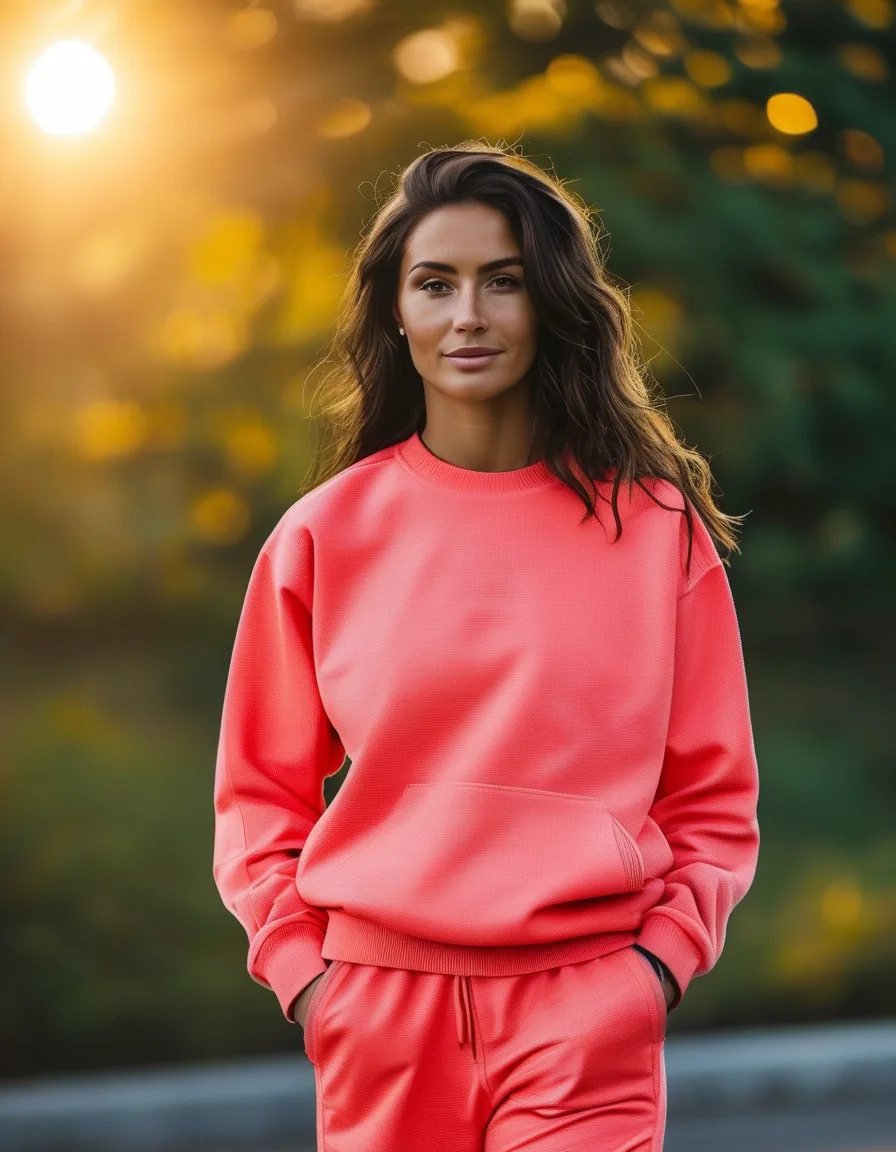
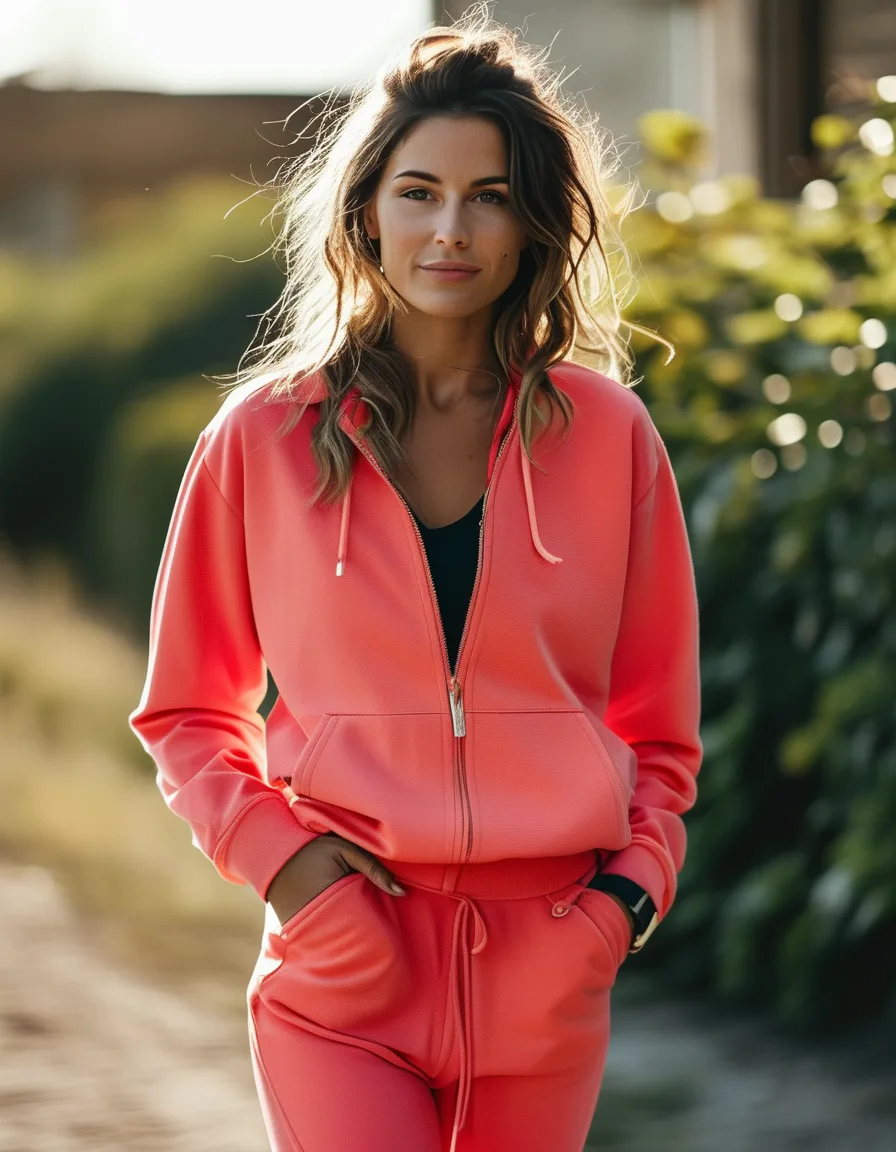
Head-to-toe saturated color, however good the individual pieces are, tends to overwhelm rather than elevate. A neutral shoe, jacket, or bag gives the eye a resting point and makes the bright piece read as a deliberate choice rather than an accident.
Myth vs Fact: Bright Activewear
Myth: Bright colors only work on certain body types. Fact: Fit and cut affect how a garment sits far more than color saturation — bright color itself isn’t body-type restrictive.
Myth: Neutrals are always the ‘safe,’ more flattering choice. Fact: The right bright shade for your undertone can be more flattering than a mismatched neutral — safe and flattering aren’t the same thing.
Myth: Bright activewear only works for outdoor or summer settings. Fact: A single bright accent piece works year-round and indoors — the head-to-toe version is the seasonal, occasion-specific one, not brights generally.

FAQ: Bright Activewear Styling Questions, Answered
How do I know if a bright color suits my undertone?
Hold the garment near your face in natural light — if it makes your skin look brighter and more even, it’s a match; if it makes you look tired or sallow, try a slightly warmer or cooler version of the same color.
Can I wear two bright colors together if I do it carefully?
Yes, if they’re not competing in saturation — pairing one bold color with one softer, muted bright tends to work better than two equally saturated shades.
What’s the easiest way to start incorporating brights if I usually wear neutrals?
Start with one small bright accessory or accent piece — a bright shoe or sports bra under a neutral layer — before committing to a full bright set.
TL;DR:
- One bright piece anchored by neutrals reads more intentional than two competing brights
- Match the shade’s undertone (warm vs. cool) to your own for the most flattering effect
- Head-to-toe bright needs a neutral resting point somewhere in the outfit
- Brights aren’t body-type or season restricted — fit and undertone matter more than the color itself
Next time you reach for a bright piece, pair it with one neutral instead of a second bright color and see how differently it reads.
Keep Reading
This article is for general informational and styling purposes only. Fit, sizing, and product availability may vary.